 |
Daylight Saving Time
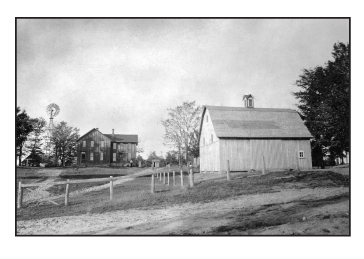
Adopted by the British during World War I as a means to conserve energy, the United States also decided to lengthen the amount of daylight by one hour in 1918. The effect that such a decision had on farming communities was immense. That additional hour of daylight for six months a year meant more time in the fields, and that meant more production. As there was no access to electric power in rural areas for decades, their economies remained solely based on agriculture. It seems unimaginable that as late as 1930, only 13% of American farms even had electricity! Kerosene lamps provided evening light, and cooking was still done over wood-burning stoves. The Rural Electrification Act (REA) of 1936 paved the way to bring farm life into the twentieth-century by providing federal funds to install electrical distribution systems and to wire the households. Thirty years later, nearly all farms had electricity, working the fields into the evening hours could be accomplished by using tractors with headlights, and daylight saving time became a choice made by state legislatures.
Price: $2.95
Currently out of stock!
|


